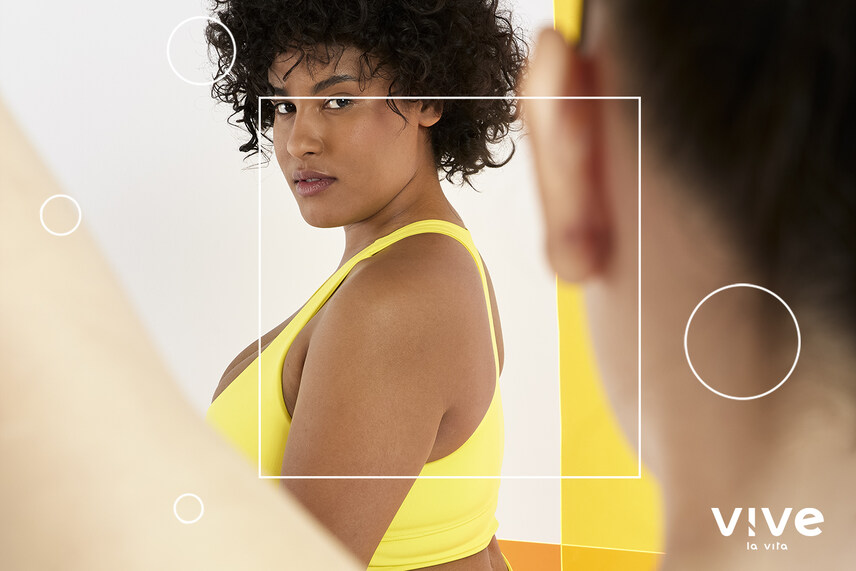
Sexuality is much more than a physical act; it is a reflection of how we see ourselves, how we feel, and how we inhabit our own bodies. At VivelaVita, we have had the privilege of interviewing the team of experts at psYonline Portugal, led by Anabela Vitorino Costa, to delve into the complex relationship between the mind, self-image, and sexual enjoyment.
Here we bring you the key points of this essential conversation to understand why, sometimes, the greatest block to pleasure is not in the body, but in our perspective.
The starting point: tailored psychology
VivelaVita: Anabela, to begin, we would like to know a little more about you and the project you represent.
Anabela Vitorino Costa: I am a clinical psychologist (OPP 3786), since the year 2000. I have worked with all ages, integrating different trainings and specializations, with the greatest of these being the process of self-awareness and self-knowledge itself.
I represent psYonline Portugal, a platform born from the desire for more people to have access to their mental health care with versatility. We want psychology to be a tailor-made support, where everyone chooses their moment and duration. We have professionals specialized in areas ranging from clinical and health to educational, organizational, and sports, using approaches such as CBT, Psychoanalysis, or EMDR. Our pillars are listening, care, and welcome.
I integrate and represent the brand psYonline ® in Portugal, so I have also invited the colleagues on the platform for this interview, and they will answer some questions in this interview.
The mental map of pleasure: self-image vs. corporeality
VivelaVita: Many people confuse what they see in the mirror with what they feel. How do these concepts relate in our sexuality?
Tereza Cristina: It is important to understand that self-image is the mental and symbolic construction a person makes of themselves, while corporeality is the physical and sensory dimension; that is, the body in motion. Thus, while self-image is the "thinking about the body," corporeality is the "living the body."
Defining the relationship between self-image and corporeality is essential to understanding how we relate to pleasure, to others, and to our own identity. In the development of a full sexuality, these two concepts are not only parallel but interwoven deeply.

Self-image should serve as a base of self-confidence and corporeality should be explored through self-knowledge, so that the individual knows what they like before sharing it with another person.
In this context, considering self-image and corporeality, it is important to understand that the development of full sexuality is a process of unlearning external patterns for the learning of each individual's internal rhythms.
The enemies of desire in counseling
VivelaVita: What are the complexes or distortions of body image that you find most frequently in counseling?
Maria Paiva: In counseling, the distortions of body image that I find most frequently include the exaggeratedly negative perception of specific parts of the body —for example: "I have a huge belly," when objectively it does not correspond to reality—, the constant comparison with unreal standards, and the belief that personal value depends on physical appearance. I also see many cases of deep-seated body shame: people who avoid mirrors, lit intimacy, or certain positions for fear of being seen.
VivelaVita: How do these complexes act as real "blockers" during sex?
Maria Paiva: They work through an excessive self-consciousness. Sexual desire requires surrender and presence. If you are mentally focused on how you are being evaluated, you cease to be available to feel. The mind goes into "surveillance mode," asking: How will I look? Are they noticing this?.
This activates anxiety instead of excitement. The body, in turn, responds to that anxiety with muscle tension, less lubrication, or difficulty with erection, creating a cycle that confirms the initial insecurity.
The trap of visual perfection
VivelaVita: We live in a culture of high visual exposure. How do current beauty standards influence people's sexual confidence?
Iraci Ferreira: From a psychological point of view, this affects sexual confidence as it can generate insecurity with one's own body, fear of rejection, and difficulty saying "no" or expressing limits. When sexual value is tied solely to appearance, a person may become involved in relationships to please the other, not by choice or their own desire.

VivelaVita: What tools can we use to disconnect our sexual value from aesthetics?
Iraci Ferreira: To disconnect sexual value from aesthetics, psychology proposes some simple and accessible tools: understanding that beauty standards are social constructions that change over time; questioning thoughts like "Does my body define my worth?"; strengthening self-esteem from who you are and not how you look; and learning to respect your own body, its limits, and feelings.
Reconnecting with the body: the role of mindfulness
VivelaVita: It's said that many people live "disconnected" from the neck down. What role does body awareness or mindfulness play in the ability to feel pleasure?
Anabela Vitorino Costa: If a person starts to be aware of what they think, of what they feel in their body, how they move and how they act, they will begin to understand the responsibility they have in their life and in the dynamics of their relationships.
Body awareness is absolutely important in this process of self-knowledge and in the ability to feel pleasure. Mindfulness is one of the techniques that can be used for that contact, that self-awareness. The simpler the technique, the better the results.
VivelaVita: How can we start practicing it?
The simplest is to stop a few times a day and "center yourself":
- Mentally situate yourself in the center of the chest.
- Inhale slowly (you can count up to 4 or 5).
- Exhale slowly several times.
- When thoughts or emotions arise, simply let them pass without clinging to any of them.
By performing this practice consistently, there will come a time when, naturally, you will have more awareness of your emotions, your body, and your thoughts. At that moment, you will have all the possibilities to change what you consider necessary towards a fuller and healthier relational life.
Insecurity as a couple
VivelaVita: When physical insecurity affects the relationship, how can this topic be addressed with a partner without it becoming a taboo or a source of greater anxiety?
Alessandra Fraga: In Cognitive-Behavioral Therapy, we understand that automatic thoughts and dysfunctional beliefs—such as fear of rejection or the feeling of not being enough—can intensify anxiety. Embracing those feelings and recognizing them is the first step to making this topic no longer taboo.
When discussing it, it is important to choose a calm moment and adopt affective and assertive communication, prioritizing speaking in the first person. Sharing insecurity as a vulnerability, and not as an accusation, allows for strengthening emotional security and the bond.

The body you inhabit is enough
VivelaVita: If you could leave only one fundamental message to someone who today feels unable to enjoy their sexuality due to their self-image, what would it be?
Teresa Moreira: Every human being deserves to have pleasure, to have intimacy and affection exactly as they are. Living sexuality must be an act of presence, not appearance!
Enjoying sexuality does not require hiding parts of you, but recognizing that pleasure arises from presence, consent, and the relationship with the other—not from physical perfection. It is about feeling, exploring, and connecting with yourself and with the other, even on days when the body seems heavy, strange, or misshapen. Pleasure is a human, diverse, and imperfect experience, just like us.
How to take the first step towards your well-being?
If you have identified with these blockages or feel that your self-image is hampering your ability to enjoy, remember you don't have to make this journey alone. The team at psYonline Portugal offers a safe and flexible space to work on your corporal and emotional connection through various formats (from brief per-minute consultations to structured psychotherapy sessions).
You can meet all the specialists and start your change process today by visiting their official platform here. Additionally, you can follow their daily tips and upcoming workshops on their Instagram profile @psYonline_portugal.
We especially thank psychologist Anabela Vitorino Costa and her entire team of specialists for reminding us that pleasure is not a destination of perfection, but a process of presence and self-acceptance.
We hope that this professional guide is the first step for you to reconnect with your body and rediscover a sexuality based on respect and fullness. Because, as we have learned today, the body you inhabit is already enough to start feeling.

 he explanation of why sex toys are a couple's ally and not a substitute.
 Sexuality and desire in menopause: why it's not an end, but a change
 Self-esteem and relationships: why you can't place your happiness in another person
 Discover how you experience pleasure and improve your intimate communication
 Delayed ejaculation? Why it takes you longer and how to fix it with Irene Aterido
 Does the vaginal orgasm exist? The reality of female pleasure with sexologist Alicia Ridao


