
Why do we feel that a sexual toy can replace a partner?
The use of erotic toys is surrounded by a series of myths that have been formulated and internalized by the population. These beliefs about the products are not based on evidence, but they cause individuals to reject the possibility of using them. For example, some of these beliefs are brought up in this article. Many couples believe that introducing a toy in their erotic practices is a sign that something is wrong between them, that the couple no longer enjoys and needs external help.
It can provoke jealousy by increasing feelings of insecurity, envy, or fear of abandonment or exclusion. It is usually more pronounced in men due to the responsibility they feel (socially learned) to maintain the sexual satisfaction of women.
| Origin of the Myth and Insecurity | Why is it a lie? (The Reality) |
|---|---|
| Insecurity due to physical competition: Believing that the power or endurance of a motor is "better" than human performance. | Different stimuli: A toy is one-dimensional (vibration). A partner offers warmth, kisses, caresses, gaze, and emotional rhythm. The human brain seeks connection, not just a frequency of vibration. |
| Fear of the "Third Wheel": Seeing the accessory as an intruder disrupting the intimate circle of the couple. | Team tool: The object has no autonomy or will. It is the couple who decides to integrate it as another element of their play, reinforcing complicity and mutual discovery. |
| The coitocentric myth: Thinking that if orgasm is not reached with "natural" penetration alone, the encounter has failed. | Real physiology: 70% of women require clitoral stimulation to reach climax. The toy ensures that pleasure while the couple enjoys penetration, eliminating unnecessary pressures. |
| Fear of emotional replacement: Feeling that "if they enjoy the toy so much, I am no longer needed." | Complement, not substitute: It’s like using oil in a massage; the oil does not replace the hands, it simply enhances the sensation. The toy improves the encounter, it doesn’t replace the person operating it. |
| Prejudice of "Couple in crisis": The idea that toys are only resorted to when passion is gone or the relationship is failing. | Innovation and health: Couples with better sexual lives are those who experiment the most. The toy is not a "medicine" for a crisis, it is an ingredient to make a healthy relationship even more fun. |
| Taboo about masturbation: Associating toys solely with loneliness or lack of a partner. | Communication catalyst: Introducing toys in bed requires discussing desires, likes, and limits. This exercise of honesty often strengthens the emotional bond far beyond sex. |
How couple toys help amplify the intimate experience

Sexual pleasure in each person can be experienced in different ways, meaning there's a whole world to discover in erotic toys for individuals individually as well as in couples.
The fact that you can choose an object, like a feather because it generates pleasurable sensations on your skin for you, cannot be achieved in the same way without that object. Thanks to its existence and usability, person A can satisfy person B, increasing desire in both individuals and discovering that their tastes can be diverse.
Selección de Toys to enhance sexual pleasure
Si estás buscando comprar Toys to enhance sexual pleasure, hemos seleccionado para ti entre los modelos más vendidos, los 4 más interesantes por calidad/precio.
15%
Extra Discount
Use the code: BLOGVIVE and get an extra discount at Vivelavita for shopping .
BLOGVIVE
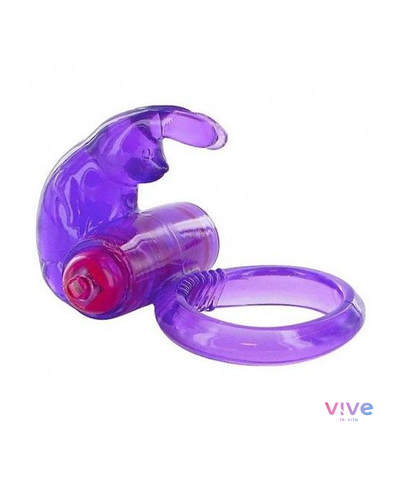

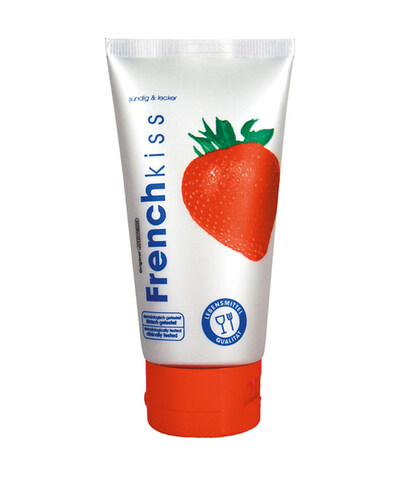

The erotic toy as an ally: psychology to integrate it without insecurities
When a person breaks these myths with the evidence we have previously shared, they can change the focus regarding the toy and see it not as a competitor to the person or the couple, but as an invited guest who can bring benefits and pleasure to both individuals.
It is a resource for the couple for various reasons, including therapeutic reasons, increased satisfaction, exploration, self-awareness, and personal growth.
The toy will never be able to replace the interaction that occurs with another person, the feelings and emotions that occur in that human interaction, and the skin-to-skin contact.
The declaration of mutual safety: a guide to using toys in a couple
The proposal from VivelaVita is to create a space within the couple to talk about this article, the fears of both individuals regarding using these types of products within their erotic relationships, to share them and establish the boundaries that both people consider according to their personal preferences.

In this article, we aim to provide you with the opportunity to know that the success of an erotic product in a couple does not occur when the product has the most possible features and performs all the imaginable movements. The key lies in the prior trust you can build so that the use of that toy is just another accessory in the erotic encounter that brings pleasure.
Trust is built with prior intimate space discussing what concerns us before using erotic toys.
Also, adding different boundaries ensures safety in using products with the partner. To help express it, you can start the sentence with these ideas:
- “I like or think I would like this product because....”
- “I would not like to use this product because....”
- “I think this would scare me or make me insecure because...”, etc.
If you have reached this last line, I hope this article was what you expected and resolves all your doubts. Ultimately, we hope it is useful, and if you have more questions, do not hesitate to write to us at the email info@vivelavita.com
💜 Your well-being is our reason for being; thank you for letting us be part of it.

 Discover how you experience pleasure and improve your intimate communication
 Sexuality and desire in menopause: why it's not an end, but a change
 Relationship dynamics: How to play the fantasy mailbox to connect and improve communication
 Delayed ejaculation? Why it takes you longer and how to fix it with Irene Aterido
 Does the vaginal orgasm exist? The reality of female pleasure with sexologist Alicia Ridao
 Couples' Question Game: Truth or Curiosity


