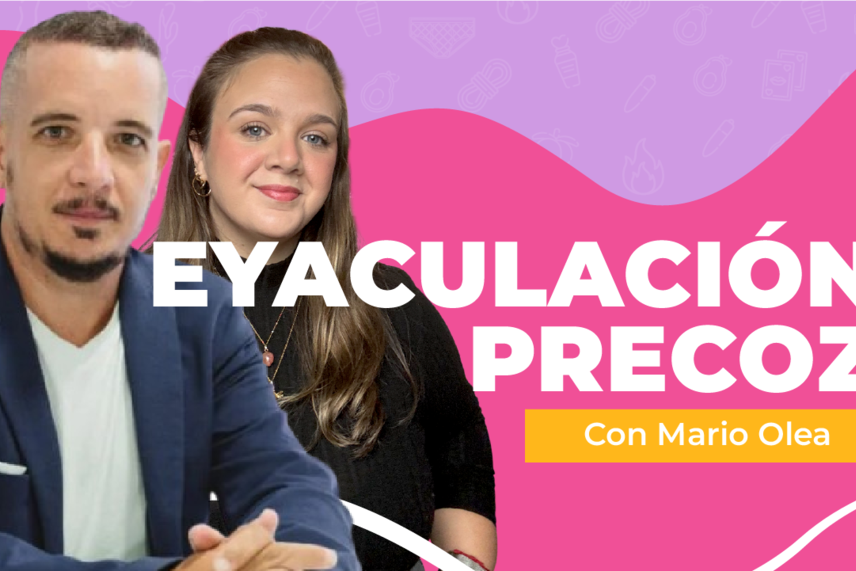
Sexual health is a fundamental pillar of overall well-being and harmony in a couple. However, topics such as premature ejaculation remain surrounded by taboos and misinformation. To shed light on this matter, we talked with Mario Olea, a psychologist and sexologist at the Costasol Sexologists clinic, who helps us understand what is true and what is myth about this common sexual dysfunction.
You can enjoy the full interview on our YouTube channel:

What exactly is premature ejaculation?
Although many men visit for consultation worried about timing, Mario clarifies that the clinical definition and the reality in therapy can vary.
- The clinical criterion: Manuals establish the diagnosis when ejaculation occurs in less than one minute after penetration, continuously for at least six months.
- The reality in consultation: "We don't count the seconds," explains Mario. The real problem exists when the person does not have control and ejaculates before they would like to, causing distress.
Types of premature ejaculation
There are two main variants:
- Primary: It has been present since the beginning of the person's sexual life.
- Secondary (Acquired): It appears suddenly after a period of normal function, often due to dysfunctional experiences, stress, or substance use.
Causes: is it a physical or psychological problem?
One of the great revelations of the interview is that the human body is rarely the direct culprit. According to the expert:
- Only 10-15% of cases have a physiological origin (infections, side effects of medication, or hormonal problems).
- 80-85% of cases are of psychological origin.
This, far from being bad news, is very positive: psychological causes have a 9 out of 10 success rate in therapy.

The weight of education and the myth of porn
Mario points out that early sexual education is key. Many men unknowingly "train" their bodies for speed:
- "Rushed" masturbation: During adolescence, the fear of being discovered by parents leads many young people to masturbate as quickly as possible. The brain codes that "doing it quickly is fine," creating a hard-to-break pattern in adulthood.
- Porn as fiction: Adult cinema creates unrealistic models and duration expectations that do not correspond to human biology, generating performance pressure that heightens anxiety.
Methods and solutions: what really works?
We often seek quick solutions, but not all are equally effective. We analyze the most common:
- The "Start-Stop" Method
It is one of the most recommended exercises. It involves stopping stimulation when reaching the peak of excitement, waiting for the erection to subside, and starting again. It helps recognize pre-orgasm sensations.
- Creams and delay condoms
Mario explains that they work well, partly due to the placebo effect. Feeling like "you have help" reduces anxiety. However, be careful with excessive sensitivity loss.
- Medication
It is only recommended in very severe cases or when there is an associated erectile dysfunction. It is not usually the first option in sexual therapy.
- Masturbate before a date?
It's a common practice, but Mario warns: although it can delay ejaculation by a few minutes, it focuses the entire relationship on orgasm rather than enjoyment. Additionally, the intensity of the encounter is usually lower.

The role of the partner and the importance of therapy
The partner is the best ally. The expert recommends:
- Do not judge: The man's self-esteem is often very diminished.
- Expand the sexual map: The penis is just a tool. Sex includes hands, mouth, toys, and skin-to-skin contact. If there is flexibility, the pressure disappears.
"In therapy, we create a judgment-free space. We use techniques like paradoxical intention (asking the patient to try to ejaculate as soon as possible), which, interestingly, helps delay the moment by removing the anxiety about control."
Conclusion: orgasm is not the goal
The main message from Mario Olea is clear: the orgasm lasts just a few seconds, while the sexual encounter can be much more. Focusing exclusively on the goal makes us miss the journey.
If you feel that negative thoughts are blocking you, Mario delves into this topic in his book "Nos pasa a todos", where he offers tools to manage repetitive thoughts and anxiety.
Need professional help? You can contact Mario Olea and his team at costasolsexologos.com or follow them on Instagram at @costasol.sexologos for daily tips on sexual well-being.

 Delayed ejaculation? Why it takes you longer and how to fix it with Irene Aterido
 Does the vaginal orgasm exist? The reality of female pleasure with sexologist Alicia Ridao
 Couples orgasm: Marina Castro debunks major sexual myths
 he explanation of why sex toys are a couple's ally and not a substitute.
 Discover how you experience pleasure and improve your intimate communication
 Sexuality and desire in menopause: why it's not an end, but a change


