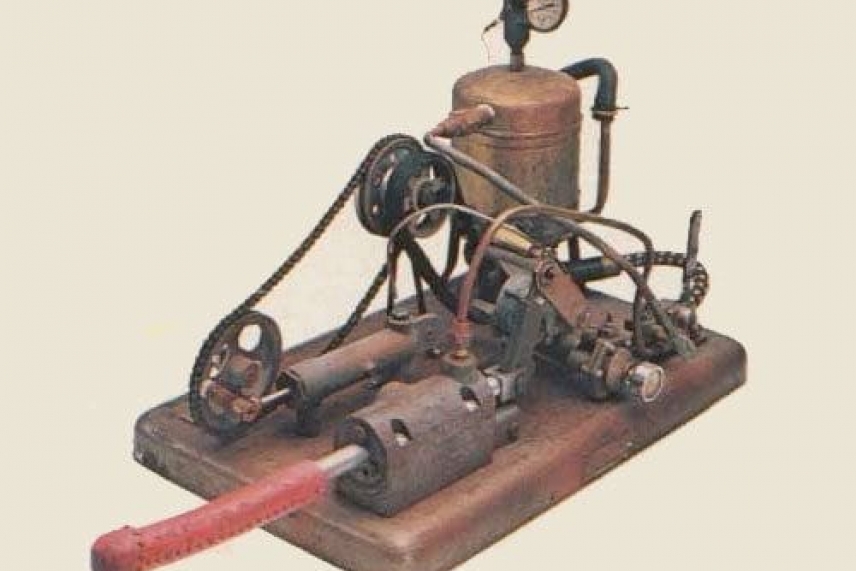
Answering when vibrators were invented requires distinguishing between mechanical devices for medical stimulation and modern electric vibrators. Historical evidence places the first mechanized devices in the 19th century, although genital massage as a therapeutic practice is described since Antiquity.
Before the electric vibrator: manual treatments
In classical medical texts, such as those by Galen (2nd century AD), treatments for female ailments that included genital stimulation are described. For centuries, the so-called "female hysteria" was a broad diagnosis that encompassed symptoms like anxiety, insomnia, or irritability.
These procedures could be prolonged over long periods, which encouraged the search for mechanical solutions.

The first mechanized vibrator (1869)
The first patented vibratory device was the "Manipulator" by George Taylor in 1869, in the United States. It was not portable: it worked with steam and consisted of a table with a central vibratory mechanism.
This device marked the beginning of the mechanization of therapeutic stimulation.
The first electric vibrator (1880)
The true milestone in the history of early vibrators was the patent for the electromechanical vibrator by Joseph Mortimer Granville in 1880.

Unlike Taylor's device:
- It worked with electricity.
- It significantly reduced the application time.
- It was more practical for medical offices.
Granville designed his device to treat muscle pain, not specifically for gynecological use. However, its technology quickly adapted to pelvic applications.

Mass commercialization (1890–1920)
At the end of the 19th century and the beginning of the 20th, old vibrators began to be sold to the general public as health devices.

Among the relevant milestones:
- 1899: the "Vibratile" was marketed for home use.
- 1900: the manual model "VeeDee" appeared.
- First decades of the 20th century: advertisements in women's magazines and catalogs such as Sears & Roebuck.

During this stage, they were still presented as therapeutic devices, not as sex toys.
Disappearance of the medical discourse (1920–1950)
In the 1920s, vibrators began appearing in pornographic material, which transformed their social perception. In parallel:

The existence of dildos and phallic objects used for possible sexual or ritual purposes is not a modern phenomenon. Archaeology has documented findings dating back to the Upper Pal..
Read more- Doctors stopped performing systematic pelvic massages.
- Hysteria was officially removed from diagnostic manuals in 1952.
Since then, vibrators progressively shifted from the clinical to the erotic commercial realm.

The modern rise: 1960 onwards
With the sexual revolution of the 60s and 70s, vibrators were established as tools for self-exploration.
A key model was the magic wand launched in the late 60s (Hitachi Magic Wand), which remains a historical reference.

Since the 80s, technology has allowed:
- Ergonomic designs.
- Medical-grade silicone materials.
- Electronic intensity control.
- Specific models like the rabbit vibrator.
First rabbit vibrator (1983–1984)
The company Vibratex introduced in 1983 a line of vibrators with animal shapes, culminating in 1984 with the “Rabbit Pearl,” considered the first rabbit vibrator.

Its global popularization was consolidated in the 1990s, especially after its appearance on television.

Vibrators in the 21st century
Currently, vibrators are part of the sexual wellness industry.

Technological evolution has allowed:
- Silent devices.
- Control through mobile applications.
- Hypoallergenic materials.
- Greater focus on sexual health and education.

Chronological summary
- 2nd century AD: Medical descriptions of genital stimulation (Galen).
- 1869: George Taylor patents the first mechanized vibrator.
- 1880: Joseph Mortimer Granville patents the first electric vibrator.
- 1890–1920: Mass commercialization as a medical device.
- 60s–70s: Integration into sexual revolution.
- 1984: First rabbit vibrator (Rabbit Pearl).
Conclusion
The first vibrators emerged in the 19th century as mechanized medical devices, quickly evolving with electricity in 1880. Their transformation from clinical tool to sexual wellness device reflects social, technological, and scientific changes in the understanding of human sexuality.

 Which are the best vibrators of 2026?
 What is a dildo? Complete guide, types and how to choose it
 Which is the best G-Spot Vibrator on the current market?
 Comparison of the 11 best female masturbators
 The Best Penis Vacuum Pumps
 Comparison of the best clitoris suckers


