
The existence of dildos and phallic objects used for possible sexual or ritual purposes is not a modern phenomenon. Archaeology has documented findings dating back to the Upper Paleolithic, indicating that the symbolic representation and manipulation of the phallus have been part of various human cultures for tens of thousands of years.
Early phallic objects in prehistory
One of the most cited findings comes from the Hohle Fels cave (Germany), where a polished stone object approximately 20 cm long was found, dated around 28,000 years (Upper Paleolithic). The study was published in the journal PLoS ONE (Conard et al., 2009).

Researchers propose several hypotheses about its function:
- Possible use as a symbolic fertility object.
- Ritual instrument.
- Utilitarian tool with added symbolic meaning.
There is no absolute consensus on its exclusively sexual use; archaeological interpretation requires scientific prudence.

Similar findings in Switzerland and other areas of Central Europe show phallic figures carved in mammoth ivory, reinforcing the recurring presence of the phallic symbol in Paleolithic cultures.
Ancient greece and rome: the “olisbos”
In classical Greece, there are literary references to the “olisbos”, a phallic object used for sexual purposes. Aristophanes mentions it in his comedies, suggesting its integration into everyday life.
These objects could be made of:
- Wood
- Stuffed leather
- Stone

In Rome, phallic symbols were common in frescoes and protective amulets (fascinum). In Pompeii, explicit representations associated with both fertility and spiritual protection have been found.
China and japan: symbolism and tradition
During the Han dynasty (206 BC–220 AD), phallic objects made of jade and bronze are documented in contexts related to Taoist practices. In Taoist philosophy, sexual energy (“Qi”) was considered part of vital balance.

In Japan, during the Edo period (1600–1868), erotic art shunga depicted sexual scenes in which phallic objects appear. These representations reflect a less repressive cultural view of pleasure in certain historical contexts.
Middle ages and renaissance
During the European Middle Ages, explicit documentation decreases due to the prevailing Christian morality. However, the absence of records does not imply the disappearance of use.
In the Renaissance, mentions reappear in Italian and French literature, coinciding with a renewed interest in the human body and anatomy.
19th century: from ritual object to medical device
In 1869, American physician George Taylor patented a mechanical pelvic stimulation device. Although it was not a modern dildo, it represents a milestone in the technological evolution of sexual devices.

During the Victorian era, these devices were presented as medical instruments. Historical studies (Maines, 1999) document how the clinical discourse allowed their initial social acceptance.
20th and 21st centuries: normalization and sexual well-being
The sexual revolution of the 60s promoted a more open view of female pleasure and self-exploration. Authors like Betty Dodson contributed to the destigmatization of the use of sexual toys.

Today, clinical sexology recognizes that safe sexual exploration can be part of psychological and relational well-being (Lehmiller, 2018; World Association for Sexual Health).
Major documented archaeological findings
- Hohle Fels (Germany, ~28,000 BC) – Polished stone phallus.
- Switzerland (~30,000–20,000 BC) – Carvings in ivory.
- Classical Greece (~500 BC) – Literary references to the “olisbos”.
- Pompeii (1 AD) – Phallic representations in frescoes.
- Han Dynasty (China) – Jade objects with symbolic significance.
- Edo Period (Japan) – Representations in shunga art.
Conclusion
Archaeological evidence indicates that phallic objects have accompanied humanity since prehistory. Their meaning has varied according to cultural context: symbol of fertility, protection, ritual, or possible stimulation tool.
Historical analysis shows that human sexuality is not static but culturally constructed and evolutionary. Understanding these antecedents contributes to normalizing the scientific study of sexuality without sensationalism or taboo.

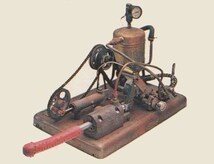 When vibrators were invented and what the first models were
 What is a dildo? Complete guide, types and how to choose it
 How to Make Homemade Sex Toys for Men?
 The Best Pheromone Perfumes
 The Best Female Sex Enhancers


