Ohpss! We couldn't find any products for the search performed.

CAN'T FIND WHAT YOU'RE LOOKING FOR?
Sure, we've got it. Our sexologists will be delighted to help you find it.
Discover our water-resistant lubricants ideal for fun in the shower or pool. Enjoy perfect glide even in the wettest environments. We pride ourselves on offering you a wide variety of options, with fast delivery and discreet shipping, ensuring the best shopping experience for your new and daring adventures. | 📖 Read purchase tips
 Silicone Lubricants
 Vibration Effect
 Heat Effect
 Cold Effect
 Natural
 Single-dose
 Lubricating creams
 Hybrids
 Lubricant Applicators
 return to lubricants
CAN'T FIND WHAT YOU'RE LOOKING FOR?
Sure, we've got it. Our sexologists will be delighted to help you find it.
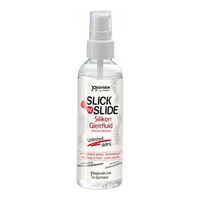
Choosing a waterproof lubricant is essential to enjoy pleasurable experiences in the shower, bath, or any wet environment without sacrificing the pleasure of a good glide. In this guide, we will help you understand the key aspects to consider for selecting the best moisture-resistant lubricant according to your personal needs and specific desires.
Silicone: Perfect for use in the shower or underwater, these lubricants do not dissolve easily and offer a long-lasting smooth sensation. However, avoid using them with silicone toys, as they may damage them.
Oil: Effective in humid environments, but can deteriorate latex condoms. Ideal for unprotected sex or with oil-compatible toys.
Low viscosity: Mimics natural lubrication, ideal for foreplay or erotic massages. Easier to clean, but may require frequent reapplication.
High viscosity: Provides a thick and long-lasting texture, perfect for intense aquatic sessions. Ensures continuous glide even underwater.
Short duration: Ideal for those looking for something easy to apply and remove quickly, convenient for spontaneous encounters.
Long duration: Perfect for long underwater sessions, providing prolonged and consistent coverage.
Friendly with silicone toys: If you plan to use silicone toys, choose lubricants formulated to be safe with these materials.
Not suitable for silicone toys: Includes most silicone-based lubricants. Use them only with materials not sensitive to silicone to avoid damage.
Warming effect: Lubricants that offer a thermal sensation that enhances the pleasurable experience, ideal for those looking for an extra stimulus.
Cooling effect: Provides a refreshing effect, especially pleasant in warm environments or during extended play under water.
What are the differences between waterproof and regular lubricants?
Waterproof lubricants are designed to maintain their effectiveness in contact with water, perfect for showers or pools, unlike conventional ones that can dilute.
Is it safe to use waterproof lubricants with protectives?
Generally, they are safe with latex condoms, but always check the product label to confirm compatibility.
What is the best type of lubricant for the shower: silicone or oil?
Silicone-based ones are preferred for aquatic environments due to their durability and resistance, surpassing oil-based ones.
How to apply these lubricants effectively?
Apply an adequate amount to the desired areas before entering the water and reapply if necessary, ensuring optimal glide.
What precautions should I take when using lubricants in water?
Avoid using with silicone toys to prevent damage, and clean the applied areas thoroughly with warm water and mild soap after use.
How to effectively remove a moisture-resistant lubricant?
To remove them, use mild soap and warm water. If necessary, use a sex toy cleaner.
What if the lubricant does not wash off easily?
This is common with silicone ones. Use soap or a specific cleaner to ensure all residues are removed.
Is there a risk of irritation with these lubricants?
They usually do not cause irritation, but perform a patch test if you have sensitive skin. Discontinue use if any irritation occurs.
Do you offer discreet shipping for water-resistant lubricants?
What is a waterproof lubricant?
How to properly use a waterproof lubricant?
What are the differences between water-resistant lubricants and conventional ones?
Are water-resistant lubricants safe to use with condoms?
How do I choose between different models of water-resistant lubricants?
How do you maintain and store a waterproof lubricant?
Is it safe to use water-resistant lubricants with sex toys?
How long does the effectiveness of a water-resistant lubricant last?


 WHATSAPP
 CHAT
CHAT EMAIL
EMAIL